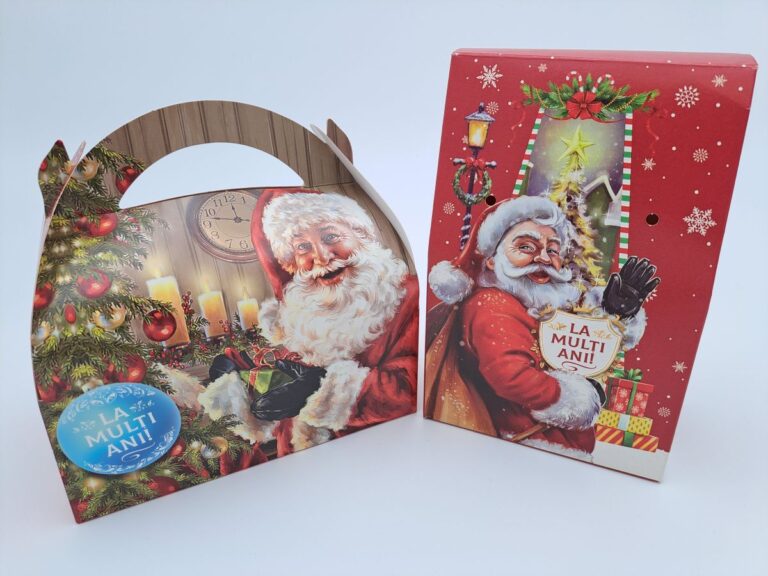
A binding board box (rigid box) is premium packaging made of dense board 1.5–3 mm thick, wrapped with a printed sheet or design paper. Unlike a folding carton it holds its shape permanently, feels like an object rather than a wrapper, and is used where the packaging is part of the product: wine and divin, cosmetics, jewellery, gift sets.
What binding board is and why the box is rigid
Binding board is a dense, multi-ply material historically used for book covers. It is not meant for direct printing: the blanks are cut, assembled into the box carcass and then wrapped (litho-laminated) with a printed and finished sheet or design paper. The result is a construction with perfect geometry and a weight the hand instantly reads as expensive.
Constructions: from lid-and-base to a magnetic flap
The basic and most popular form is the lid-and-base: two parts, and the box opens with that characteristic soft air resistance. Its developments are hinged boxes with a magnetic flap, slipcase-and-drawer designs, and boxes with a neck. Inside goes an insert for the product: cardboard, wrapped or textile. At Pergament, premium lid-and-base boxes are assembled by an automatic line — the geometry of every box in the run is identical, without hand-made variation.
Finishing: restraint works best
A rigid box is rarely flashy. The classic solutions: deep-coloured design paper + foil only on the logo; matte soft-touch lamination + embossed relief; a contrasting insert. Die costs are one-off, so across a run finishing adds percentage points to the unit price, not tens of percent (more in the article “Post-press finishing for packaging”).
Which products the rigid box was made for
Wine and divin: a gift box moves the bottle into a different price category and a different buying occasion — collection and limited series do not exist without it. Cosmetics and perfumery: the luxury segment, sets, limited lines. Jewellery and watches: the box is kept for years and keeps working for the brand. Electronics and corporate gifts: the unboxing effect people film on video. If your product is mass-market and sells from the shelf, consider first a folding construction with premium finishing.
Run sizes, lead times, economics
Rigid boxes are ordered in runs from hundreds to tens of thousands. The unit price is built from the base board, the wrapping material, finishing and assembly; the one-off part (die, stamping dies, set-up) is spread across the run — see the full breakdown in “What makes up the price of a box”. Every order is costed in PSystem before launch, and the technological passport guarantees that a repeat run — for the next season, say — will be identical to the first: critical for wineries and cosmetics brands whose packaging has become part of their identity.
How to start
We make a construction prototype in about 30 minutes on the plotter: you hold the future box in your hands, fit the product into the insert and approve the dimensions before the die is made. Order a prototype.
Frequently asked questions
How does a rigid box differ from an ordinary folding carton?
A rigid box is assembled from 1.5–3 mm binding board and holds its shape permanently; a folding carton is die-cut from thin board and ships flat. Rigid is about premium perception; folding is about shelf and logistics economics.
What is the minimum run for rigid boxes?
From several hundred pieces; a prototype is made to fit the construction, and test samples let you approve materials and finishing before the run.
Can a run be repeated a year later exactly the same?
Yes: the order’s complete technological passport in PSystem records materials, settings and operations — a repeat run is reproduced identically.